The Slow Frame
Black and White Thinking
Black and White Thinking
Imagine standing on the edge of an ancient forest at twilight, where the fading light whispers secrets known only to the trees. Every leaf, every shadow, speaks a language beyond color—a language of form, texture, and contrast. This is not merely a visual experience, but a journey into a deeper realm where the overstimulating dance of hues falls silent, allowing the profound simplicity of shape to take center stage.
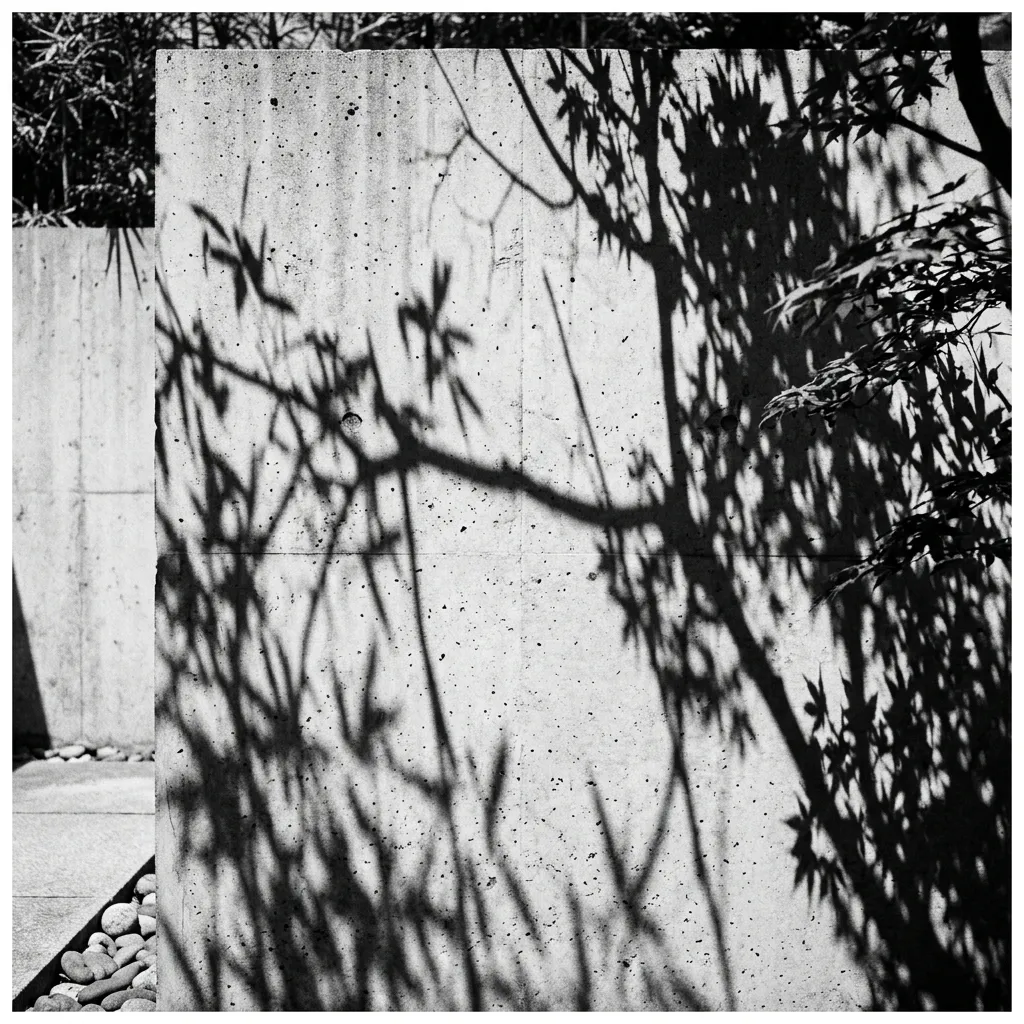
Welcome to this week’s mindful exploration: “Black and White Thinking.” Here, we invite you to step away from the familiar palette of colors that often dominate our perception. Instead, embrace a world distilled into shades of grey, where the absence of color reveals the skeletal structure of reality. It is a deliberate invitation to shift your focus from the vibrant distractions to the subtle interplay of light and shadow.
In our often visually cluttered lives, we rarely pause to consider the raw architecture of the world around us. By imposing constraints—a mono filter and a dark exposure—you are not deprived of vibrancy; rather, you are gifted a new lens through which to discover the extraordinary in the ordinary. This week, allow shapes to speak their silent truths without the noise of color. Let the stark beauty of contrasts guide your eye and stir your imagination.
As you embark on this monochromatic journey, each photograph becomes a meditation in itself. It is a chance to slow down, to truly see, and to explore the nuanced language of form. The absence of color invites you to appreciate the depth and richness of simplicity, encouraging a mindful reflection on what is truly essential. This quiet exploration is not just an exercise in photography, but a practice in presence, inviting you to see the unseen and hear the unheard.
The Neuroscience of Black and White Thinking
As we delve deeper into the realm of “Black and White Thinking,” we uncover profound implications for mental well-being, grounded in the intersection of mindfulness and cognitive behavioral frameworks. The practice of isolating form from color is not merely an aesthetic choice but a powerful exercise in cognitive and emotional recalibration.
In the study of parental burnout, interventions incorporating cognitive behavioral therapy (CBT), positive psychology, and informal mindfulness practices have shown significant promise in addressing symptoms of exhaustion and emotional distancing. These strategies help cultivate self-awareness and psychological flexibility, which are essential for managing stress and enhancing self-efficacy (Urbanowicz, 2022). Similarly, mindfulness-based acceptance interventions have been effective in reducing anxiety in students, highlighting the role of mindfulness in fostering a non-judgmental awareness of the present moment (BÜYÜKÖKSÜZ & AVCI, 2023).
When applied to photography, these insights suggest that the constraints of black and white imagery can serve as a form of mindfulness practice. By stripping away color, we force our brains to engage differently with the visual stimuli, much like how mindfulness and CBT encourage individuals to process their thoughts and emotions with clarity and focus. This deliberate narrowing of focus can enhance our emotional regulation, akin to the way mindfulness-based CBT has been used to manage anger and reduce bullying behaviors in adolescents (Badpa et al., 2024).
Consider the act of photographing a bustling city street. In color, the scene might overwhelm with its chaotic palette, but in monochrome, the eye is drawn to the interplay of light and shadow, the stark lines of architecture, and the human forms hurrying by. This transformation mirrors the cognitive shift encouraged by mindfulness practices—focusing on the essential elements and letting go of unnecessary distractions. By engaging with the world through a black and white lens, photographers can practice a form of cognitive restructuring, where they learn to appreciate the simplicity and elegance of the world around them without the noise of color.
The psychological processes underpinning this practice involve enhancing one’s ability to remain present and attentive, which are crucial in both reducing stress and improving emotional health. This resonates with the findings that informal mindfulness practices can mitigate parental burnout and anxiety by promoting self-compassion and emotional competencies (Urbanowicz, 2022; BÜYÜKÖKSÜZ & AVCI, 2023).
As you continue your photographic journey this week, let each black and white image serve as a mirror to your own cognitive processes. Reflect on how the act of seeing without color can influence your emotional landscape, providing a canvas for mindfulness and introspection. This exercise becomes not just an exploration of visual art but a path towards cultivating a calm and focused mind, mirroring the therapeutic effects seen in psychological interventions.
The Practice of Mindful Seeing
Building on the neuroscience and psychology of mindfulness, the practice of photographing in black and white becomes an enriching exercise in ‘seeing directly,’ an experience akin to the principles of Miksang photography. This form of contemplative photography is about capturing the essence of a moment without the interference of preconceived notions or distractions. As you embark on this week’s assignment to “Forget all colors,” you are invited to engage with the world as it is, allowing forms and contrasts to unfold naturally before you.
In the book The Practice of Contemplative Photography by Andy Karr, the philosophy of Miksang is beautifully explored, teaching readers to strip away mental filters and see the world with fresh eyes. This approach aligns seamlessly with the constraints of your black and white photography assignment. By focusing solely on shapes and shadows, you engage in a practice that fosters a deeper connection with your surroundings, much like the mindfulness practices that enhance emotional regulation and self-efficacy.
Embracing the Delayed Process
The Slow Frame’s concept of taking one photo a week and waiting 24 hours for it to ‘develop’ encourages a mindful pause—a break from the instant gratification that dominates modern life. This deliberate delay is not just about patience; it is an invitation to reflect and connect with your work on a deeper level. During this waiting period, consider what the absence of color has revealed to you. Reflect on how this constraint has shifted your perception and what new details have emerged in the simplicity of monochrome.
As you practice this delayed gratification, you are cultivating the same psychological benefits identified in mindfulness and cognitive behavioral therapies. This process encourages you to slow down, appreciate the nuances, and develop a mindful awareness that transcends photography, impacting your overall mental well-being.
Conclusion
By integrating these practices into your photographic journey, you not only enhance your artistic skills but also foster a greater sense of mindfulness and presence in daily life. The constraints of black and white photography open a portal to deeper introspection and connection with the world. As you continue with The Slow Frame, let each photograph serve as a meditation, a quiet moment of contemplation in your busy life.
We invite you to embrace this gentle journey of mindful photography. Download The Slow Frame app to start your 52-week exploration into the art of seeing the unseen. Let each week guide you to a new perspective and a more mindful existence.