The Slow Frame
The Way Back
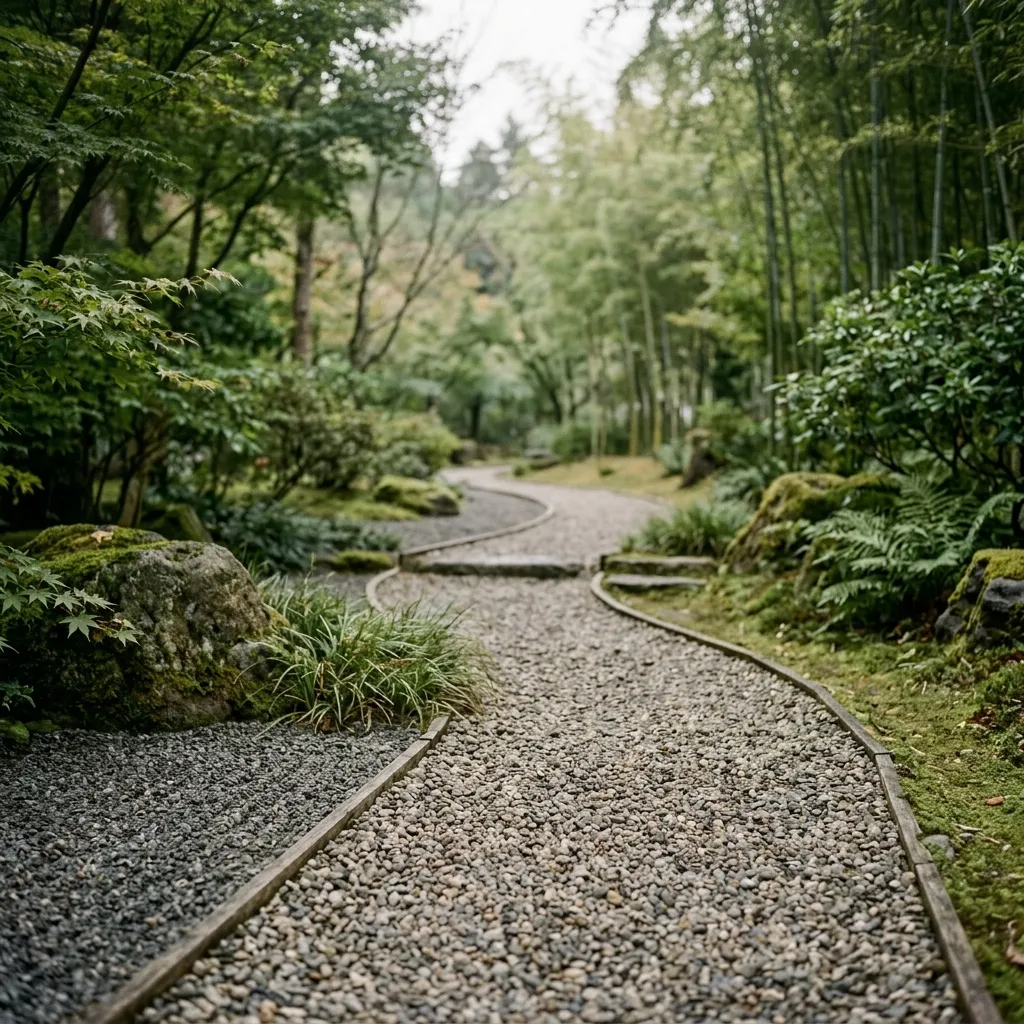
The Way Back
In the languid embrace of a golden late afternoon, the world seems to whisper its secrets beneath the rustling leaves and the soft patter of distant footsteps. Imagine standing amidst this tranquil symphony, where each note is a testament to the unhurried dance of time. It is here, in this moment of serene clarity, that you find yourself drawn to the art of seeing anew.
The task before you is deceptively simple: turn around. With your camera, unadorned and unaltered, you are invited to capture the world as it is, not as we often wish it to be. The lens is stripped of filters, the zoom locked at a natural 1.0, offering a raw and unfiltered glimpse into reality. This week’s journey, titled ‘The Way Back’, encourages a return to origins—a mindful pause to appreciate what lies behind, often unnoticed in our forward-focused lives.
As you align your view with the grid lines, ensuring the horizon remains steadfastly straight, a newfound appreciation emerges. The grid is your guide, a silent partner in composition, urging you to find harmony and balance in the ordinary. The absence of embellishments frees you to see the intricate details that often escape hurried glances.
In this space of reflection, you are encouraged to embrace simplicity. The constraints are not limitations but liberations, allowing you to be truly present, to celebrate the beauty of what you leave behind. Through ‘The Way Back’, you embark on a journey of rediscovery, capturing not just images, but moments that resonate with quiet authenticity. This week, let your turning around be more than a physical act—let it be an invitation to reconnect with the world from a fresh perspective.
The Science Behind ‘The Way Back’
As you turn your camera lens to capture the world unadorned, you engage in a profound practice of mindfulness—a cognitive exercise that mirrors the intentional disciplines of yoga and meditation. This act of deliberate observation, much like traditional Indian practices, enhances your cognitive flexibility and emotional regulation. The study by Arora and Pandey (2025) reveals that regular engagement in such practices significantly boosts cognitive adaptability and emotional stability. These findings suggest that by consciously shifting your perspective, you cultivate an internal landscape capable of navigating life’s complexities with greater ease.
Mindfulness, as explored in the research by Liu, Cai, and Rawal (2025), also fosters a harmonious relationship between emotional experiences and cognitive processes. This synergy enhances the mental agility necessary for adapting to new perspectives—an essential skill for photographers seeking to capture the subtle beauty of the mundane. By aligning your lens with the grid lines, you are not merely framing a photograph; you are engaging in a meditative practice that strengthens your ability to perceive and appreciate the intricate details of your surroundings.
The act of turning around, of embracing what lies behind, echoes the transformative effects of mindfulness training as demonstrated in Thomas and China’s study (2024). Here, mindfulness acts as a balm for academic stress, enhancing cognitive flexibility and promoting a more resilient approach to challenges. This parallels the photographic journey, where the constraints of no filter and fixed zoom become tools of liberation, allowing you to rediscover the overlooked textures and patterns in the everyday.
Imagine standing on a bustling street corner, camera in hand, with the world rushing past. By choosing to turn around, you engage in a mindful pause, a deliberate act of seeing not just with your eyes but with an open mind. This simple action mirrors the neural processes strengthened by mindfulness, where increased cognitive flexibility allows for a broader, more inclusive perspective. In this way, photography becomes an extension of mindfulness practice, a visual exploration that refines your emotional and cognitive responses.
As you continue on ‘The Way Back’, each image captured without embellishment becomes a testament to your growing awareness. You learn to appreciate the symmetry of a shadow, the quiet elegance of a forgotten alleyway. This visual mindfulness, grounded in the scientific understanding of cognitive and emotional interplay, offers a pathway to mental calm and creative discovery. Through the lens, you not only document the world but also cultivate a deeper connection with it, enhancing your ability to navigate life’s complexities with grace and clarity.
Practice and Philosophy: Turning Around
In the practice of ‘The Way Back’, turning around becomes more than a simple change of direction. It is a philosophical journey, a deliberate act of mindfulness that transforms perception. As you engage with this week’s assignment, you are called to embrace the constraints of a fixed perspective and find beauty in what was previously overlooked. This mindful engagement aligns with the cognitive flexibility enhanced by techniques such as mindfulness and meditation, as seen in the studies we discussed.
The act of turning around encourages a deeper awareness not only of your physical surroundings but also of your internal landscape. It invites reflection and contemplation, fostering a connection between the external world and your inner thoughts. To complement this visual mindfulness, consider using the Premium Linen Mindful Journaling Notebook. This tactile, beautifully bound notebook serves as a perfect companion for writing down your weekly reflections. The physical act of journaling reinforces the mindful pause, offering a space to explore and deepen your insights offline.
The Waiting Game: Embracing Delayed Gratification
The Slow Frame app’s concept of waiting 24 hours for your photo to ‘develop’ is a deliberate invitation to practice delayed gratification. This waiting period is a crucial element, encouraging you to step back, reflect, and appreciate the art of anticipation. In a world where immediacy often reigns, this pause offers a moment of introspection, much like the mindful practices that enhance cognitive flexibility and emotional regulation.
By slowing down and embracing this period of reflection, you strengthen the neural pathways associated with patience and mindfulness. This process mirrors the scientific insights we’ve explored, where intentional pauses contribute to mental calm and a more profound understanding of one’s environment.
Conclusion and Call-to-Action
As you continue your weekly journey with The Slow Frame, let each photograph be a mindful step toward greater awareness and appreciation of the world around you. Use the constraints not as limitations but as opportunities to see differently, to turn around and rediscover the beauty in the overlooked.
Join us in this 52-week exploration, where each image captured and each moment reflected upon becomes a testament to the art of slowing down. Download The Slow Frame app today, and embark on a journey of visual mindfulness and self-discovery.