The Slow Frame
Seeing Silence
Seeing Silence
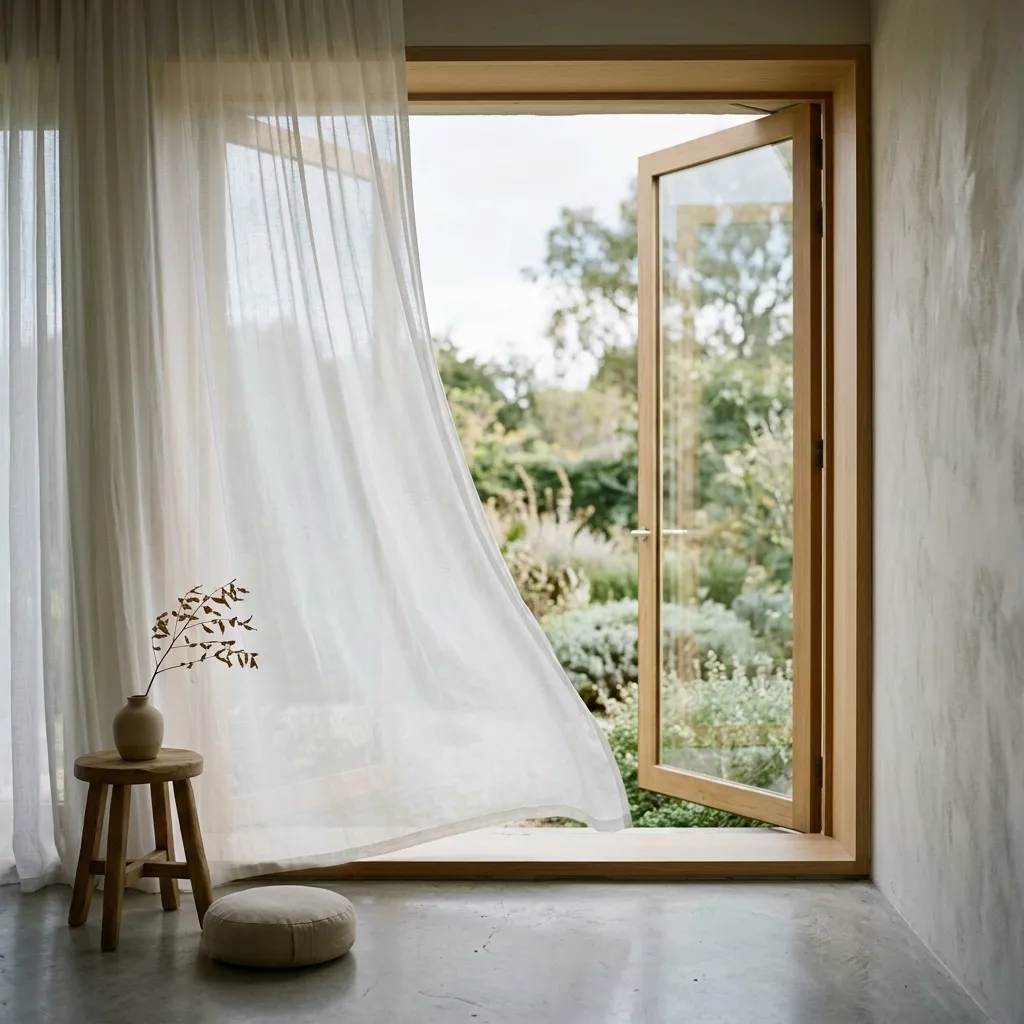
In the gentle embrace of dawn, when the sun is a shy whisper on the horizon, there exists an elusive moment where silence speaks its most profound truth. It is a time when the world holds its breath, and the only sound is the soft rustle of thoughts settling into stillness. This is not the silence of absence but a silence full of presence, an intricate tapestry woven from the delicate threads of light and shadow.
This week on The Slow Frame, we invite you to embark on a visual pilgrimage—a journey to discover what silence looks like. With your camera set to monochrome, you will enter a realm where color no longer distracts, and the simplicity of black and white reveals the untold stories hidden in the quietude of your surroundings. The lens, locked at a 1.0 zoom, becomes a humble observer, capturing the world in its raw, unembellished state, urging you to embrace the authenticity of the moment.
The square aspect ratio, with its inherent symmetry, offers a canvas for balance and calm, while the slightly darker exposure invites you to explore the subtle nuances of quiet moments. This week’s constraints are not limitations but rather a liberation of your creative spirit, guiding you to see beyond the ordinary.
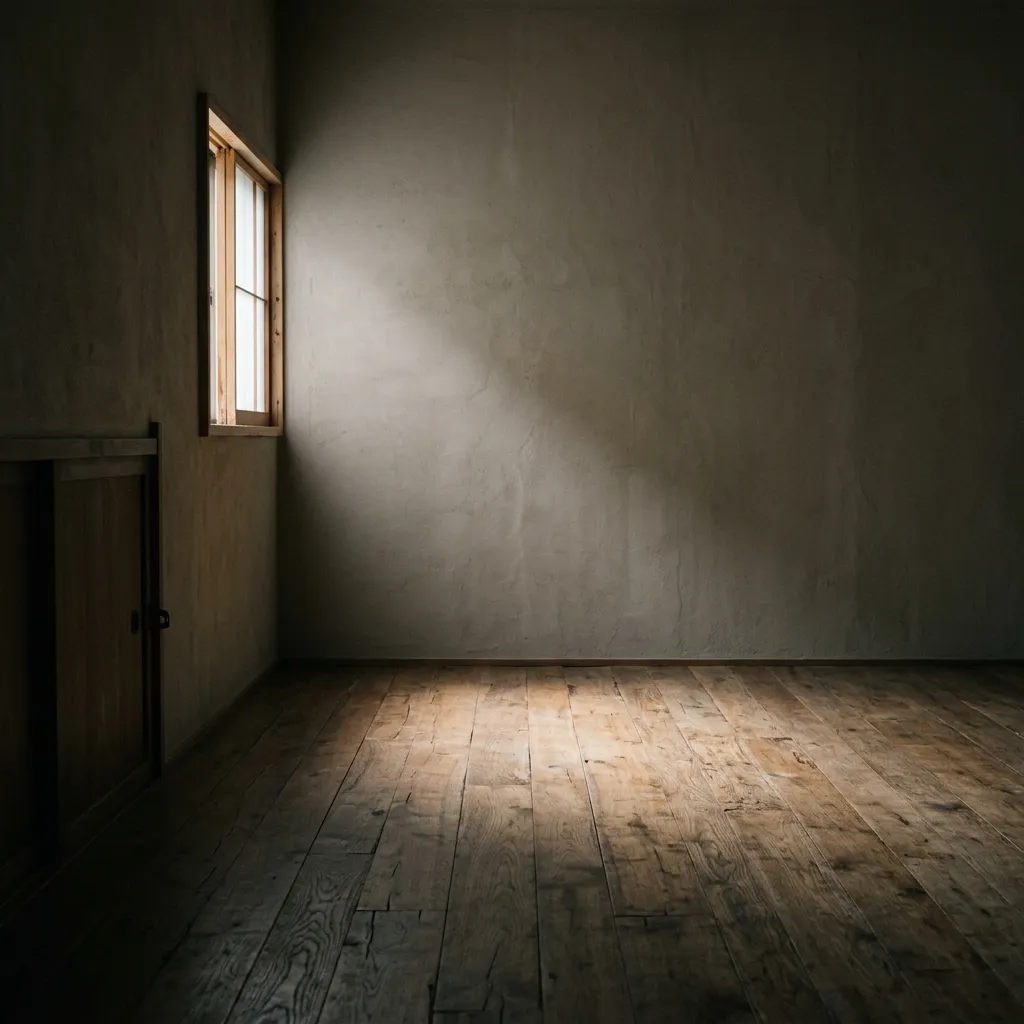
As you frame your shot, consider the power of negative space. Allow vast emptiness to breathe within your composition, letting silence stretch its arms wide across your image. Relish this opportunity to engage with silence, not as a void, but as a profound presence—a silent symphony that invites reflection and introspection. Through your lens, find the poetry in the pause, and let the quiet reveal its hidden beauty.
The Science of Seeing Silence
As you embark on this week’s exploration of silence through your lens, consider the profound impact of mindfulness on perception and cognition. Mindfulness, with its roots in ancient contemplative practices, has been scientifically shown to nurture a more expansive awareness—a crucial factor in seeing what often goes unnoticed in the cacophony of daily life.
In a study by Phil Reed (2019), mindfulness was found to reduce “stimulus overselectivity,” a cognitive bias where the mind hyper-focuses on certain stimuli at the expense of others. Participants with prior mindfulness experience demonstrated a broader perceptual field, suggesting that regular mindfulness practice enhances one’s ability to perceive a fuller spectrum of sensory inputs. In the context of photography, this means that a mindful photographer is not just capturing an image but a richer narrative, noticing the subtleties that contribute to the silence within the frame.
Further supporting the power of mindfulness in enhancing visual clarity, Giannou et al. (2021) demonstrated that embedding mindfulness instructions in a task improved face recognition accuracy. By focusing attention and reducing mind-wandering, mindfulness allowed participants to construct more accurate face composites. Translated to your photographic journey, this implies that engaging in mindfulness before or during photography can sharpen your focus, helping you to construct images that more accurately capture the essence of silence.
In an educational setting, mindfulness has been shown to aid in focus and engagement, as illustrated by Walkins (2021). Students practicing mindfulness were more present and engaged in mathematics, suggesting that mindfulness cultivates a state of awareness conducive to deep observation and learning. For the photographer, this translates to being fully present in the moment as you frame your shot, allowing you to engage deeply with the composition and the silence it embodies.
As you navigate this week’s assignment, let the principles of mindfulness guide your process. Begin with a moment of deep breathing, allowing your mind to settle into a state of calm receptivity. Approach your scene with an open, non-judgmental awareness, ready to observe the nuances of light and shadow, the interplay of forms, and the vastness of negative space.
Imagine standing in a quiet meadow at dusk, the monochrome filter of your camera stripping away distractions, leaving only the raw interplay of light and darkness. Notice how the absence of color amplifies the textures and lines, inviting you to see the silence that envelops the scene. By embracing mindfulness, you enhance your ability to perceive these quiet details, transforming a simple photograph into a profound meditation on silence.
Through this practice, you not only capture the visual essence of silence but also cultivate a deeper understanding of its presence in your life. In the end, ‘seeing silence’ becomes not just a photographic exercise but a journey towards a more mindful, enriched way of being.
The Practice of Seeing Silence
As you continue your journey to capture what silence looks like, it’s vital to integrate both mindfulness and photography into a seamless practice. The act of taking a photograph becomes a meditation, a way of engaging with the world deeply and authentically. This week, with your camera settings guiding you towards simplicity and balance, you are invited to see beyond the ordinary, to embrace the quiet presence that surrounds us all.
The discipline of waiting 24 hours to see your photograph develop is not just a nod to the analog past but a critical component of this reflective practice. This pause allows for contemplation and introspection, enabling you to revisit the moment with a fresh perspective. It is in this interval that the photograph transforms from a mere image into a vessel of silent truths, captured and held tenderly in monochrome.
For those seeking to deepen this visual exploration, “The Practice of Contemplative Photography” by Andy Karr offers a profound resource. This guide to Miksang photography teaches you to see the world without the interference of mental filters, aligning beautifully with the week’s theme. By learning to perceive your environment directly, you cultivate a sensitivity to the subtle and often overlooked elements that compose the visual silence of your surroundings.
Philosophically, the question “What does silence look like?” encourages us to redefine our understanding of silence itself. It is not the mere absence of sound but a presence, a canvas upon which the world paints its quiet symphony. As you frame your photograph, consider the interplay of light and shadow, the gentle curve of a leaf, or the vastness of the sky. These elements, when captured mindfully, reflect the profound stillness that speaks without words.
In conclusion, the practice of capturing silence through photography serves as a gateway to a more mindful existence. By embracing the constraints of this week’s assignment, you allow your creativity to flourish within the boundaries of simplicity and restraint. The Slow Frame app offers a unique opportunity to engage with this process, transforming the act of taking a photograph into a journey of self-discovery and awareness.
We invite you to continue this exploration, to let each image be a step towards understanding the silent beauty of the world. Download The Slow Frame app and immerse yourself in a year-long journey of mindful photography. Discover what silence looks like, one frame at a time.