The Slow Frame
Breathing Room
Breathing Room
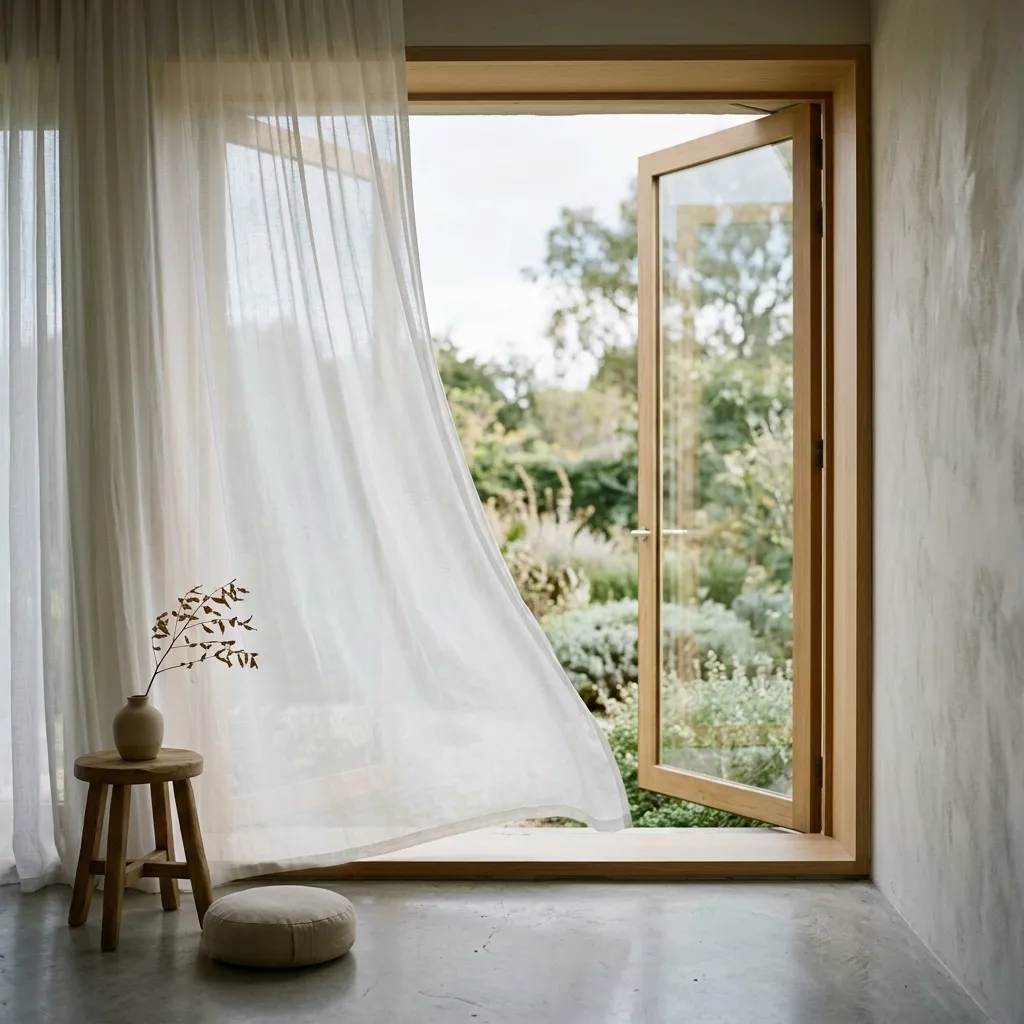
Imagine the gentle play of sunlight filtering through a canopy of whispering leaves, casting dappled shadows on the earth below. There’s a quiet beauty in these fleeting moments, an invitation to pause and simply be. This week, we embark on a journey to capture ‘nothing’—an exercise in embracing the profound simplicity that often eludes our perception.
In the unadorned elegance of monochrome, where light and shadow dance in harmonious duality, we find an opportunity to strip away the distractions of color and focus on the essence of what lies before us. The camera, a steadfast companion, becomes a vessel to explore the subtle art of seeing beyond the seen. We are prompted to let go of preconceived notions and expectations, welcoming the raw, unfiltered authenticity of the world in its most elemental form.
‘Breathing Room’ is not merely a theme but a call to action to cultivate a space where we can breathe deeply, allowing the mind to unfurl its tightly wound thoughts. With the zoom locked at 1.0, we are encouraged to witness the breadth of existence without the urge to magnify or embellish. There lies a rich tapestry of stillness and simplicity, a canvas where ‘nothing’ becomes everything.
This week, let brightness be your guide. By slightly overexposing your captures, you invite an ethereal, airy quality that elevates the mundane to the extraordinary. As you embark on this photographic endeavor, let each click of the shutter be a mindful breath, an exercise in patience and presence. In this deliberate act of creation, we find not emptiness, but a fullness that resonates within the quiet corners of our being. Embrace the stillness and discover the hidden stories that lie within the spaces of ‘nothing’.
The Neuroscience of ‘Breathing Room’
As we delve into the art of capturing ‘nothing’, we find ourselves exploring not just the visual realm but the intricate pathways of our minds. The concept of ‘Breathing Room’ is deeply rooted in the science of mindfulness, attention, and perception. Recent studies have illuminated how mindfulness can transform our cognitive processes, allowing us to see the world with renewed clarity and depth.
In the context of visual attention, Awed and Alotaibi (2025) reveal that mindfulness enhances our ability to regulate attention and perceive visual stimuli. Their work with deaf and hard-of-hearing adolescents suggests that mental alertness—an outcome of mindfulness practice—enables individuals to direct their focus more effectively, enhancing visual perception. This finding underscores the notion that mindfulness is not just a passive state of being but an active engagement with our sensory environment. For a photographer, this means that practicing mindfulness can lead to a heightened awareness of light, shadow, and form—elements crucial in capturing the essence of ‘nothing’.
Further exploring the theme of mindfulness, Yurdakul (2025) demonstrated that mindfulness interventions in preschool children significantly improve attention and working memory, key components of self-regulation. This suggests that even at a young age, mindfulness can cultivate an ability to hold space for ‘nothingness’, enabling one to appreciate the subtleties often missed in the rush of life. For the photographer, this translates into a patient, thoughtful approach to composition, allowing the subtleties of a scene—perhaps a mere sliver of shadow or a gentle gradient of light—to emerge in their fullness.
Moreover, Nie et al. (2025) highlight how mindfulness meditation improves prospective memory, particularly under conditions of low attentional load. This implies that mindfulness enables us to maintain a flexible state of attention, crucial for recognizing and capturing fleeting moments that might otherwise go unnoticed. In the realm of photography, this mindfulness-induced flexibility allows an artist to navigate the world with an open, receptive mind, ready to seize the beauty in the mundane.
Bringing these insights together, we see that ‘Breathing Room’ is more than a photographic assignment—it’s a cognitive invitation. By engaging in mindfulness practices, we can alter how we perceive and interact with our environment. For the busy professional or the hobbyist seeking respite, this week’s task becomes a meditative practice. As you take your photograph, breathe into the moment, let go of distractions, and allow the monochrome simplicity to guide your awareness. In doing so, you create not just an image, but a space where ‘nothing’ unfolds into everything—an eloquent testimony to the power of the mindful eye.
The Practice of Mindful Observation
With the insights of mindfulness and cognitive psychology gently illuminating our path, we turn to the practice itself—capturing ‘nothing’. This week’s assignment is a deliberate exercise in seeing beyond the apparent, rooted in the scientific understanding that mindfulness sharpens our cognitive faculties, as Awed and Alotaibi (2025) demonstrated. In the quietude of monochrome photography, we find a meditative practice that invites us to notice the interplay of light and shadow, to embrace simplicity, and to uncover the extraordinary within the ordinary.
As you set out to photograph ‘nothing’, consider this an opportunity to engage deeply with your surroundings. Each frame becomes a canvas where you can explore the nuances of what is often overlooked. The camera constraints—monochrome filter, no zoom, and grid lock off—are not limitations but rather tools to hone your focus, mirroring the mindfulness practice of narrowing one’s attention to the present moment. This intentionality mirrors the findings of Nie et al. (2025), where mindfulness fosters a flexible attentional state, perfect for capturing the fleeting beauty in simplicity.
While the shutter click marks an immediate capture, the true essence of this journey lies in the waiting. The 24-hour development period is a mindful pause, a time to reflect on the experience and anticipate the revelation of the image. It mirrors the mindfulness practice of holding space, allowing thoughts and perceptions to settle into clarity. During this time, consider jotting down your reflections in a Premium Linen Mindful Journaling Notebook, a tactile companion to your digital journey. This notebook can serve as a sanctuary for your thoughts, a place where the tactile act of writing complements the visual mindfulness practice, grounding your reflections in the tangible world.
Philosophy of Patience and Presence
The philosophy underpinning ‘Breathing Room’ speaks to the heart of mindful living—patience and presence. In a world that often values speed and immediacy, the practice of waiting and reflecting teaches us the value of pacing our perceptions, allowing deeper insights to emerge naturally.
As you embark on this week’s assignment, let your camera be a tool of discovery, your notebook a space for introspection, and your mind a vessel of awareness. Join us on ‘The Slow Frame’ app to continue this journey of mindful photography—a journey that promises not just images, but moments of profound presence and peace.