 The Slow Frame
The Power of Red: A Photographic Journey
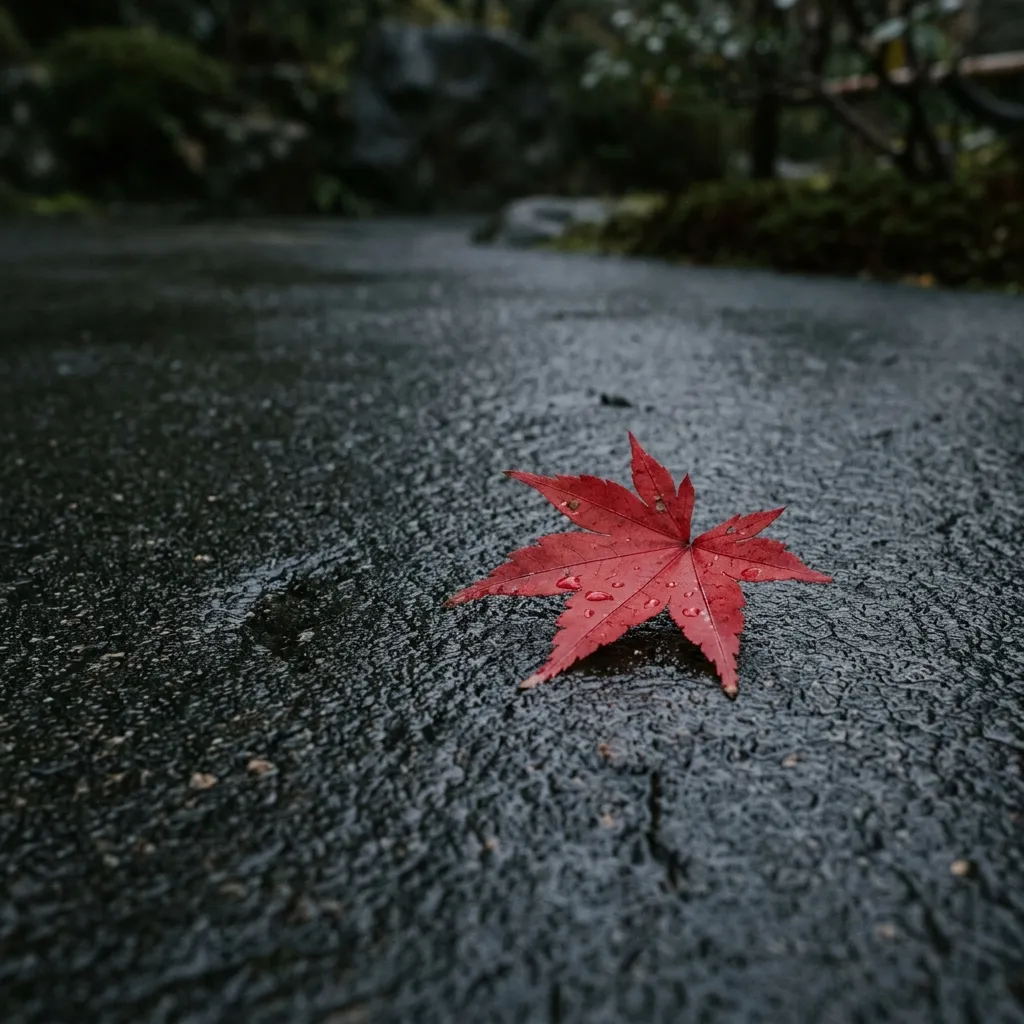
Color: Red
In the gentle embrace of dawn, before the world awakens in a cacophony of intentions, there lies a quiet moment where the universe whispers its secrets. Imagine standing in the midst of a fog-laden landscape, the world around you painted in varying shades of gray. As the mist wraps softly around you, a singular hue beckons—a bold, defiant splash of red amidst the monochrome. It is the color of passion, of life, and of presence, demanding your attention with an elegant insistence.
This week, we invite you to embark on a journey of discovery, guided by the arresting simplicity of the color red. With your camera set to its maximum zoom and a ‘red splash’ filter enhancing your vision, each photograph becomes an exploration of detail, a meditation on hue and form. The constraints are purposeful; they slow the incessant churn of distraction, allowing a singular focus to emerge.
Here, in this deliberate act of seeing, the mundane transforms into the extraordinary. The rusty lock on an old gate, the solitary petal clinging to the last of summer, or the playful flicker of a child’s shoe—each becomes a testament to the beauty hidden within the overlooked and the ordinary.
As you venture into this week’s assignment, let the color red be your beacon. Allow it to lead you through a landscape where every red detail is not just seen, but truly observed and remembered. This is not just an exercise in photography; it is an invitation to pause, to breathe, and to immerse yourself in the richness of the moment. Here, within the confines of your lens, lies a world waiting to be discovered anew.
The Neuroscience of Seeing Red
As you embark on this week’s photographic journey, guided by the vibrant allure of red, it becomes essential to delve into the intricate dance between color and perception. The act of seeing red is not merely a passive reception of stimuli; it is a dynamic interplay orchestrated by our brain’s attentional networks and cognitive frameworks.
Color, particularly red, holds a unique ability to command attention and accelerate recognition. This is not just an artistic convenience but a deeply rooted neurological phenomenon. In an eye-tracking study on icon perception, it was found that color acts as a pivotal element directing visual attention within structured environments. Color influences how we prioritize visual information, guiding our eyes with an innate urgency that transcends textual and shape-based cues Sharma & Ratn (2026).
Yet, the power of color extends beyond the simple act of seeing. Color perception is tightly interwoven with our memory and experiences. Although the concept of “memory color” contributes weakly to our ability to maintain color constancy—our capacity to perceive the true color of objects despite changing lighting—our brain still uses this contextual backdrop to aid in perception. When viewing familiar objects, our brain discerns the true color more accurately than when presented with abstract, object-less scenes, indicating that memory and context work collaboratively to guide our perception Cheawsopon (2023).
Moreover, the influence of color on consciousness and attention is both bottom-up and top-down. The presence of a distinct color, such as red, can hasten conscious perception by making visual stimuli more salient. When the visual field presents a color that conflicts with background patterns, our brain prioritizes this anomaly, bringing it swiftly into conscious awareness. For photographers, this translates to the phenomenon where a red subject leaps forward against a neutral canvas, capturing both the eye and the imagination Valuch (2021).
In the mindful practice of photography, the deliberate act of focusing on red amidst gray fosters not only a heightened visual acuity but also cognitive flexibility. Brief mindfulness meditation, known to enhance attention switching, suggests that the mindful engagement with color can sharpen our ability to notice and appreciate fleeting details. This cognitive shift occurs as mindfulness releases attentional resources otherwise preoccupied with distraction, promoting a deeper interaction with the present moment Jankowski & Holas (2020).
Thus, as you zoom in to isolate the red within the gray, you are participating in an ancient dialogue between color and consciousness—a dialogue that awakens the mind and enriches our perception of the world. In each photograph, let red be not just a color but a call to presence, a reminder of the beauty that lies in the details often overlooked. Here, amidst the quiet simplicity of your lens, lies the profound complexity of sight.
The Practice of Seeing Red
With an understanding of the science behind our visual perception, we now turn to the practice of photography as a meditative art. This week’s theme, ‘The Signal,’ invites you to explore the color red as a guiding beacon through a landscape of gray. This practice is not just about capturing an image; it is about cultivating presence and awareness in a world that often rushes past in a blur.
The process begins with a single, intentional photograph. As you focus your camera, the constraints—maximum zoom and the ‘red splash’ filter—compel you to seek out the vivid strokes of red that might otherwise escape notice. This act of deliberate seeing is akin to a mindfulness practice, where attention is honed and the mind is gently guided back to the present moment.
The concept of waiting 24 hours for your photograph to ‘develop’ serves as an exercise in delayed gratification, a rare commodity in our age of instant results. This pause allows you to reflect on the moment captured, to consider the interplay of light, color, and emotion that converged at the click of the shutter.
Philosophically, this practice resonates with the insights shared in The Nature Fix by Florence Williams, a book that delves into how nature positively impacts our brain and mood. Just as nature’s hues can heal and inspire, the act of seeking and capturing the color red in your environment can awaken your senses and enrich your creative capabilities.
A Call to Presence
As you engage with ‘The Signal,’ consider each photo not merely as an end product but as a narrative that unfolds over time. The Slow Frame app encourages this slow, reflective process—an antidote to the frenetic pace of modern life. Here, each image is a meditation, a testament to the beauty that exists within stillness and observation.
Let this journey through color and consciousness transform the way you see the world. By nurturing a practice of mindful photography, you not only capture the vibrant signals of red but also deepen your connection to the moment, fostering a sense of calm and clarity.
Embrace this opportunity to slow down and see with intention. Download The Slow Frame app, and let your photography be a gateway to mindfulness, discovery, and joy.
Related Articles

The Serenity of Blue: Finding Tranquility Through Photography
Embrace tranquility with the color blue through mindful photography. Discover its calming essence on your creative journey.
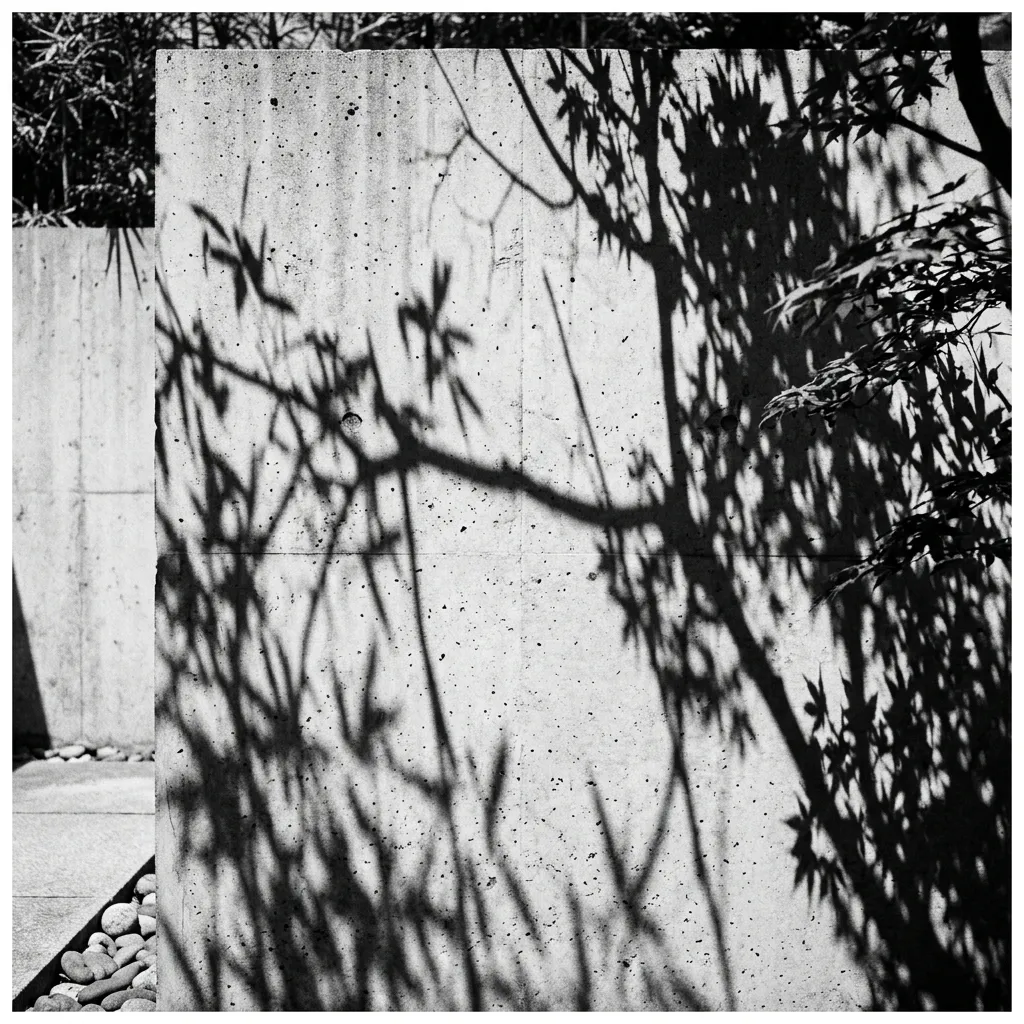
Black and White Thinking
Explore the beauty of simplicity in a monochrome world, focusing on contrasts and forms beyond color.