The Slow Frame
The Source
The Source
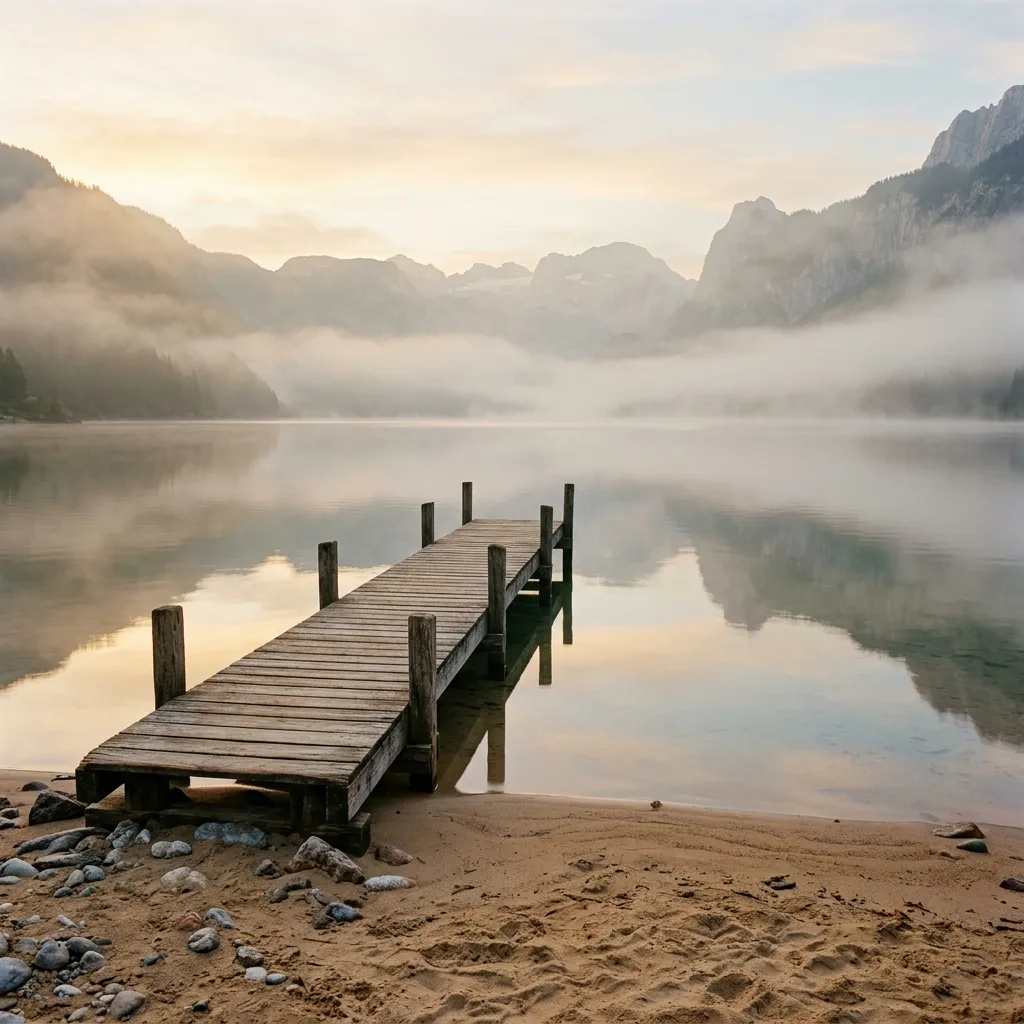
Imagine this: the world around you slowly fades into a monochrome palette. The colors disappear, leaving only the contrasts of light and shadow, a silent dance unfolding before your eyes. It is not the loud splendor of colors that captures your attention, but the subtle nuances of brightness and darkness inviting you to a deeper understanding and connection with your surroundings.
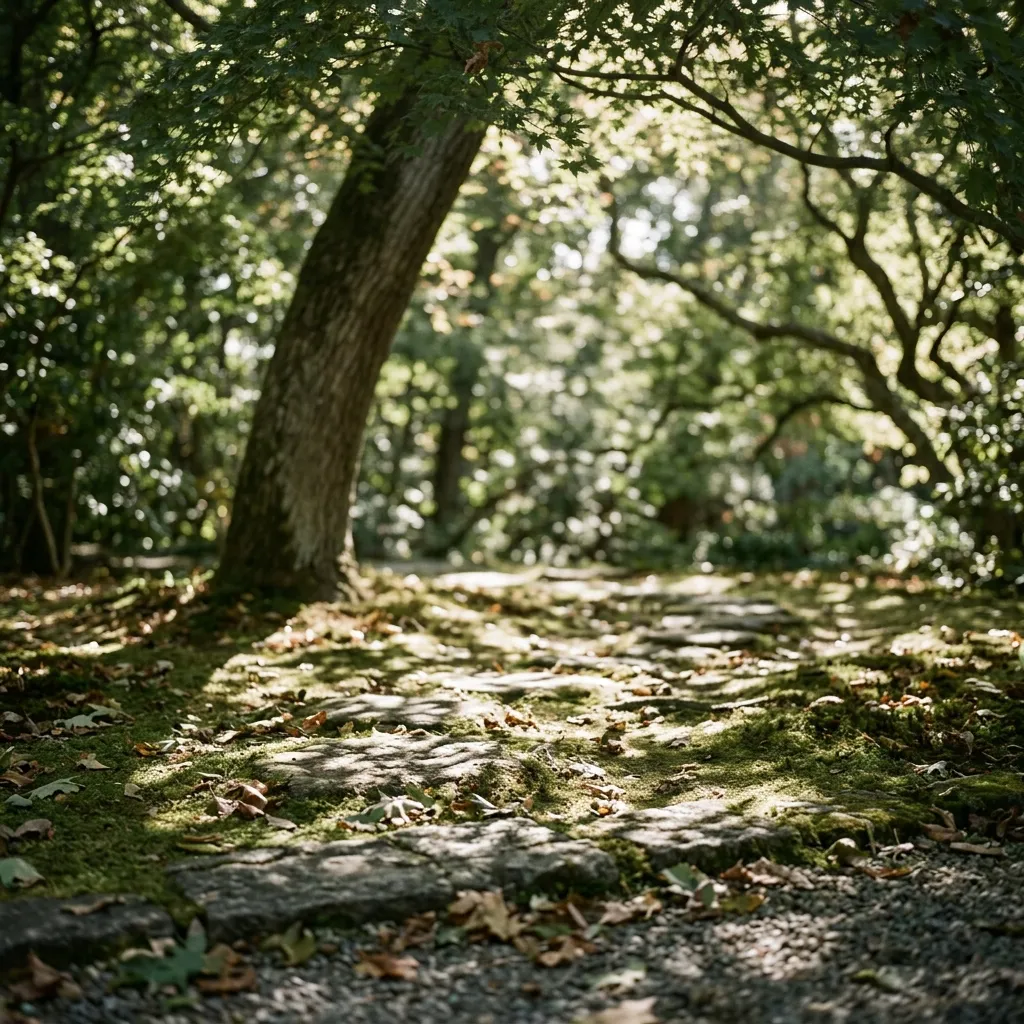
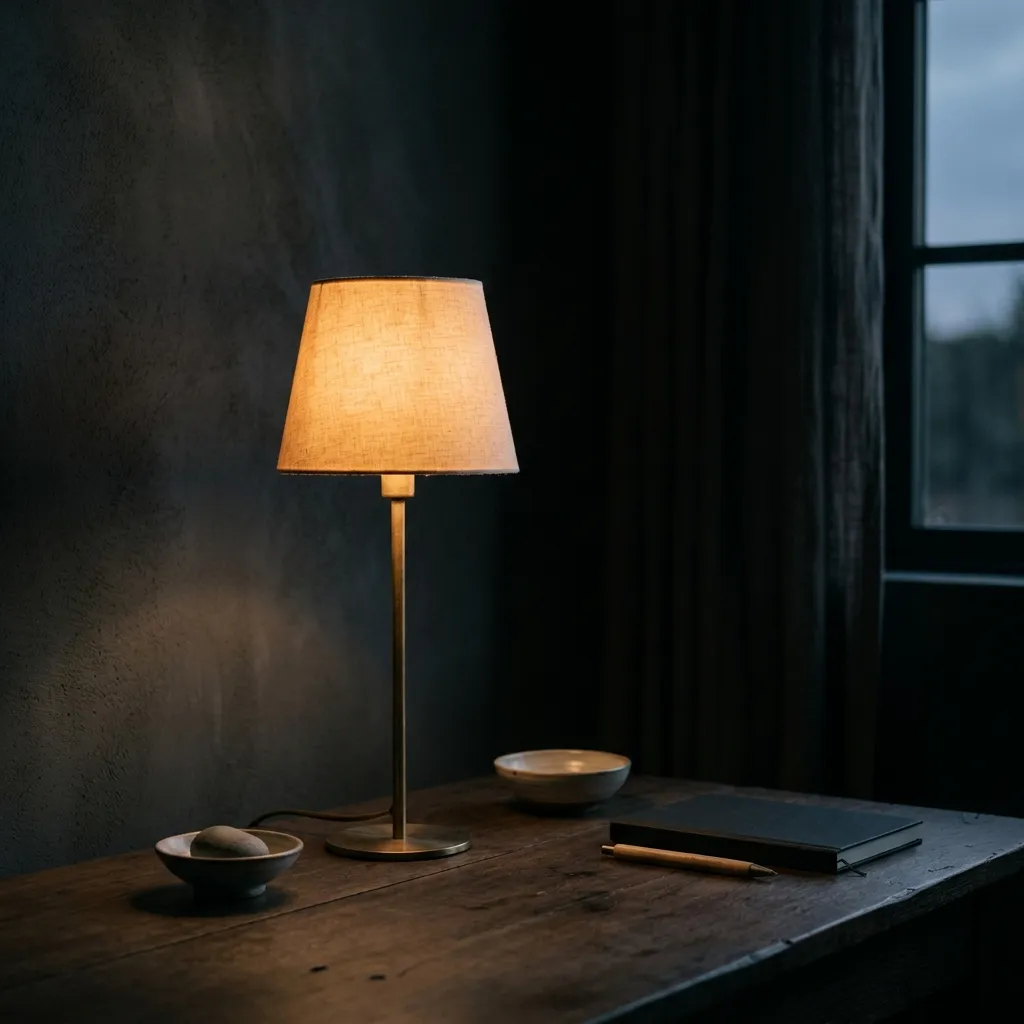
In this serene space of black and white, you discover a new dimension of seeing, one where light is not just a physical entity but a source of deep reflection. The light filtering through the trees and falling on the ground, the shadow stretching like a veil over a wall, the soft glow of a lamp in a corner — all of this tells a story that goes beyond what the eye can see.
This week at The Slow Frame, we invite you to explore this source, ‘The Source’. By limiting your camera settings to a dark exposure and a mono filter, you focus on the essence of light. You pause at the origin of the light, the energy it carries, and the way it changes your perception. This is not a simple exercise in photography; it is an invitation to pause and experience the world in a new way.
Without the distraction of a grid or symmetry, you can fully immerse yourself in the subtle power of light. Let the limitations help you look deeper and experience the essence of light and its influence on the space around you. The source of light awaits your discovery.
The Science Behind The Source
When we view the world through the lens of ‘The Source’, we embrace not only the art of seeing but also the science of mindfulness and attention. The journey of discovering light goes beyond visual aesthetics; it touches the core of our neurological functioning and psychological well-being.
Research on the effects of mindfulness shows that it can significantly improve our attention and self-regulation, even in complex situations like mathematical problem-solving tasks in students. Ojell et al. (2023) found that mindfulness practices induced micro-behavioral changes indicating increased engagement and reduced distraction. This enhanced attention allows us to notice subtle changes in our environment, such as the delicate shift of light and shadow.
Similar to the effects of mindfulness are the benefits of sound-based contemplative practices, as explored by Sagar (2025). Both Indian mantras and Western sound practices can reduce stress and anxiety by actively engaging the parasympathetic nervous system and modulating limbic and prefrontal networks. For a photographer, focusing on the source of light, akin to repeating a mantra, can lead to deeper emotional engagement and a calmer, more focused mind.
The power of attention and emotional regulation is also supported by findings from Zhao and Zhang (2024) on memory training in children with ADHD. This study shows that working memory training can improve attention and influence both adaptive and non-adaptive cognitive emotion regulation strategies. For the photographer focusing on ‘The Source’, this means that practicing patience and reflection in capturing light can lead to lasting improvements in concentration and emotional balance.
Imagine walking through a forest and observing how light filters through the leaves. This attention to detail, enabled by mindfulness, strengthens the connection between perception and emotion. It is a process that enriches not only visually but also neurologically and psychologically. Limiting your camera settings to black and white and dark exposure demands a more conscious focus, similar to how meditation trains the mind to be present in the moment.
By exploring ‘The Source’, we invite ourselves not only to see the world differently but also to transform ourselves. It is an invitation to slow down, look deeper, and find the inner peace that comes from being fully present — a practice that enriches both our photographic eye and our emotional well-being.
The Practice of ‘Look into the Light’
The science behind mindfulness and attention offers us a deep source of inspiration for this week’s assignment: ‘Look into the Light’. As you embrace this practice, it becomes a gateway to both inner peace and creative expression. It asks you to focus on the origin of the light, not just with your camera, but also with your awareness.
When you take your photo this week, do so with the intention of discovering the subtle qualities of light and shadow. Let the limitations of your camera settings help you look deeper. For example, use the UBeesize Universal Smartphone Tripod to create a stable base. This tripod allows you to frame calmly and use longer exposure times without movement, giving you the time to explore and capture the nuances of the light.
By taking a photo and waiting 24 hours before viewing it, you practice the art of delayed gratification. This patient waiting not only enhances your attention to detail but also your appreciation for the moment. It allows you to see the photo not just as an image but as a reflection of a consciously experienced moment.
Philosophical Reflection
This practice of photographic mindfulness invites us to consider the philosophical questions that arise when looking at light. What does it mean to truly see? How does light affect our understanding of the world and ourselves? By asking these questions, you open yourself to new perspectives and a deeper understanding of the world around you.
In ‘Look into the Light’, lies the power of simplicity and the beauty of limitation. It encourages you to slow down and appreciate every ray of light as a source of life and inspiration. By taking one photo each week, you develop a ritual that connects you with both your environment and your inner self.
Conclusion and Invitation
We invite you to join the journey with The Slow Frame this week. Download the app and begin your 52-week photographic adventure. Let each photo be a meditation, each waiting period a moment of reflection, and each source of light a guide to a deeper understanding of yourself and the world.