The Slow Frame
Shadow Play
Shadow Play
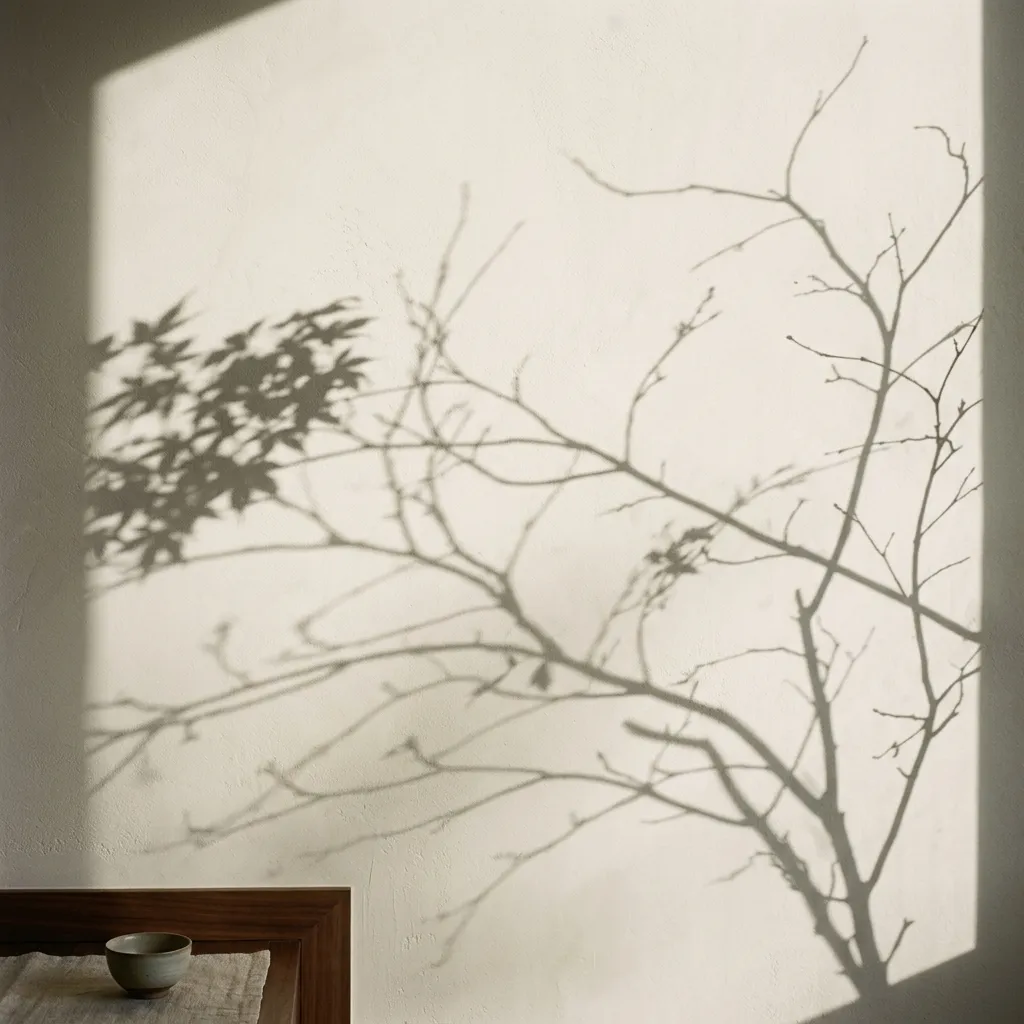
The interplay of light and shadow is a ballet as old as time, a quiet dance that whispers secrets to those willing to pause and listen. Imagine a moment, suspended in monochrome, where the world around you recedes into soft whispers and your own shadow becomes your sole companion. Here, in this suspended reality, you are invited to explore a facet of yourself most often left unnoticed.
This week in our photography journey, we delve into the art of ‘Shadow Play’. The assignment is to capture a self-portrait, not in the glaring spotlight, but nestled within the subtle embrace of your shadow. As the sun kisses the horizon and trails of light weave intricate patterns across your visage, you are asked to turn your lens inward, to face the quiet silhouette that accompanies you through every step of your life.
In this exercise, constraints become your allies. The monochrome filter strips away the distractions of color, leaving only the stark contrast of light and dark. The square aspect ratio helps you center your focus, drawing your attention to the essence of form and shape. Without the guidance of grids or symmetry, you are free to play, to explore the unexpected contours and fleeting impressions that shadows cast.
Let the sun be your guide, positioned directly behind you, transforming your shadow into a canvas. Allow the dark exposure to deepen your exploration, inviting you to see beyond the obvious and embrace the subtleties that are often overlooked. In this gentle quietude, you are not just taking a photograph; you are composing a reflection, crafting a narrative that speaks to the soul. Welcome to ‘Shadow Play’, where your shadow becomes the storyteller and you, the attentive audience.
The Neuroscience of Shadow Play
As we embark on our journey through the shadows, we wade into a deeper understanding of ourselves, a concept richly supported by the latest psychological research. Engaging with our shadow, as we do in ‘Shadow Play’, is not just an artistic endeavor but a profound exercise in self-awareness and mindfulness.
At the heart of this exploration lies the concept of self-boundary awareness, which plays a crucial role in enhancing mindfulness. According to Blaser and Buchli-Kammermann (2017), training to strengthen one’s mental self-boundary leads to a significant improvement in mindfulness. The participants of their study engaged in exercises that made them conscious of their mental self-boundaries, not through traditional mindfulness practices, but through structured imagination and boundary-awareness activities. This illustrates that by focusing on the edges of our awareness, much like observing the edge of a shadow, we can cultivate a deeper connection with our mindful states.
Similarly, the Arts-Based Mindfulness Intervention discussed by Verma (2026) emphasizes how art-making serves as a conduit for emotional regulation and self-awareness. In ‘Shadow Play’, the act of capturing one’s shadow becomes a creative ritual, akin to painting a canvas, where each photograph is a stroke of self-exploration. The shadow, elusive and ever-changing, becomes a sacred symbol—a visual anchor that fosters reflection and emotional resilience.
Moreover, the application of mindfulness techniques to improve self-awareness, as explored in the study by Aristi et al. (2026), underscores the transformative power of mindful observation. The junior high students in their study demonstrated increased self-awareness when guided through mindfulness practices. Translating this to our photography journey, every shadow captured is a moment of mindful engagement, a reflection on the boundaries of self and environment.
As photographers, when we frame a shadow, we are framing a moment of introspection. The shadow acts as a metaphorical boundary, delineating the known from the unknown, the light from the dark. This process mirrors the psychological journey of self-awareness, where we learn to recognize and understand our emotions and potentials. As you position the sun behind you and watch your shadow elongate and shift, you are not just capturing a visual image but are also engaging in a mental exercise of boundary awareness. This practice, much like the findings of the research, helps to sharpen our focus, enhance our mindfulness, and deepen our self-awareness.
In the realm of ‘Shadow Play’, each photograph becomes a dialog between you and your shadow—a quiet exploration of the mind’s landscape. This process is not merely about capturing an image but about embracing the dance of light and dark as a mindful practice. As you continue this journey, let each shadow guide you to new insights and a greater understanding of your own mental boundaries.
The Practice of Shadow Play
In ‘Shadow Play’, the practice of crafting a self-portrait within your shadow is an invitation into the depths of mindful photography—a unique fusion of self-exploration and artistic expression. With your camera settings locked in monochrome, each image becomes a study in contrast and a meditation on the self. As you position yourself with the sun at your back, your shadow stretches before you—a visual metaphor for the boundaries of your consciousness.
The art of capturing this elusive silhouette is not without its challenges. Here, the UBeesize Universal Smartphone Tripod becomes an invaluable companion. Its stability allows you to maintain the necessary stillness required for this reflective practice, while its flexible legs and wireless remote provide the freedom to adjust angles and perspectives. This tripod supports the slow framing process, giving you the space to align your shadow with intention and precision.
The Philosophy of Seeing
In the philosophy of ‘Shadow Play’, the act of waiting 24 hours for your photo to ‘develop’ is more than just a procedural step; it is a deliberate pause that cultivates patience and foresight. This waiting period echoes the findings of Blaser and Buchli-Kammermann (2017), reinforcing the boundaries between impulse and contemplation. By allowing time to reflect on the captured image, you engage in a form of active seeing, where the photograph becomes a mirror reflecting your inner landscape.
This practice aligns with Verma’s (2026) insights into arts-based mindfulness, where the creative process becomes a vehicle for emotional regulation and self-awareness. As the shadows you capture transform before your eyes, they invite you to consider not only what is visible but also what lies beneath the surface.
Conclusion
As you continue your journey with ‘The Slow Frame’, each photograph is a step toward greater self-awareness and mindfulness. Embrace the constraints of this week’s assignment to deepen your understanding of the delicate interplay between light and shadow. Allow your shadow to guide you, serving as both subject and teacher.
We invite you to download ‘The Slow Frame’ app and embark on this contemplative photographic journey. Each week offers a new opportunity to slow down, see with intention, and capture the subtle beauty that often goes unnoticed.