The Slow Frame
Transparency

Transparency
The golden hour light, that ephemeral embrace of day’s end, filters through a translucent curtain, casting intricate patterns on a weathered oak floor. It’s a fleeting moment, a serene dance of shadows and soft hues, inviting us to pause and truly see. There’s a purity in transparency, a truth that reveals itself when we allow the world to unfold without filters.
This week, as we embark on our journey with The Slow Frame, we invite you to explore the concept of ‘Transparency.’ It’s about more than seeing through; it’s about witnessing the interplay of light and material, the subtle layers of what is often unnoticed. Imagine capturing the world in a cool, minimalistic frame, where every element is stripped down to its essence. With the constraints of a medium zoom and a square aspect ratio, you are called to engage with what lies directly in front of you, free from the clutter of peripheral distractions.
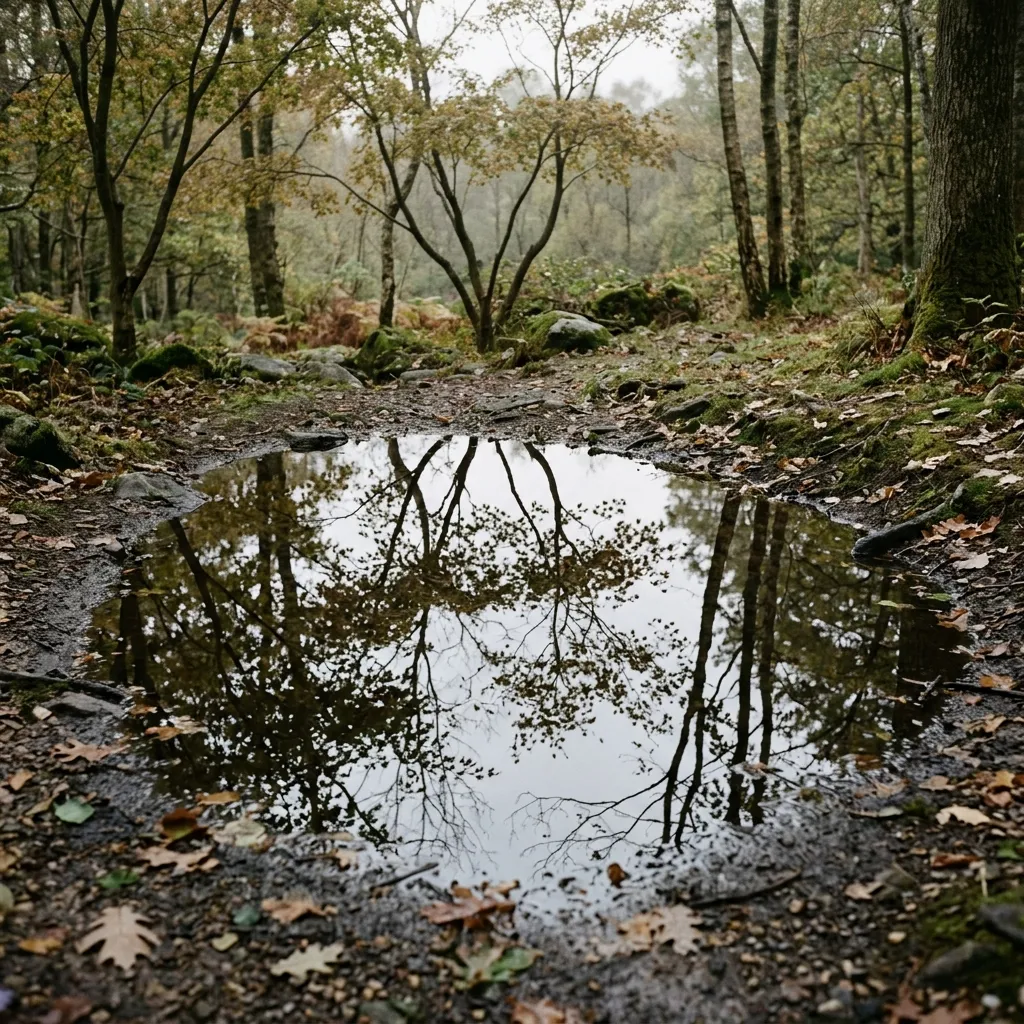
There is an art to this simplicity, a calm that arises when we allow ourselves to be fully present. As you look through your lens this week, shoot directly into the backlight. Embrace the challenge. Observe how light transforms when it meets glass, water, or fabric, each interaction a testament to nature’s quiet magic. Let your creativity flow organically, unhurried, like the gentle arc of the sun across a cloudless sky.
In this exercise, we are not merely capturing images; we are cultivating a deeper sense of awareness, a connection to the subtleties of our environment. It’s about finding balance, both in our compositions and within ourselves. So take a breath, steady your gaze, and let transparency guide you into a realm of serene discovery.
The Neuroscience of Transparency
As you engage with ‘Transparency’ through this week’s lens, you’re not just uncovering the surface of your subjects, but also diving into a profound cognitive exploration. The neuroscience of mindfulness offers a fascinating lens through which to understand this journey, revealing how our brains navigate the nuanced dance between what we perceive and how we interpret it.
Mindfulness, as explored by Thompson (2017), is not merely an introspective exercise confined to the mind. It is a dynamic interplay of cognitive and bodily skills, deeply entwined with our social and physical environments. This enactive perspective suggests that mindfulness is about engaging with the world in a skillful, embodied manner, much like the act of photography itself. As you adjust the focus and exposure, you are not just capturing an image but participating in a cognitive symphony that involves the brain, body, and environment in a seamless flow.
Consider the findings from Lin et al. (2023), which highlight the distinct cognitive states of mindfulness such as focused attention (FA) and open monitoring (OM). These states reveal how mindfulness can modulate cognitive processes, influencing attention and error monitoring. Open monitoring, in particular, encourages a more cautious and intentional response style, characterized by higher accuracy and slower reaction times. This state aligns beautifully with the photographic process of ‘looking through’—a deliberate act that requires one to slow down and truly see what lies before them. By embracing this mindset, photographers can transcend the superficial, capturing the essence of transparency in their work.
Meanwhile, the work of Davis and Thompson (2018) delves into how mindfulness can decrease affective biases, allowing for a clearer, more unbiased perception of reality. In photography, this translates to a visual clarity where subjective biases are minimized, and the intrinsic beauty of the subject is allowed to emerge. As light passes through different materials, casting subtle shadows and highlights, the mindful photographer learns to appreciate these nuances, cultivating an eye that is both discerning and compassionate.
This exploration of transparency is not merely about what is visible; it is an invitation to engage with the unseen, the unspoken layers that exist in every frame. Through mindfulness, we learn to perceive these layers, understanding that every image is a confluence of light, shadow, and intent—a dance of cognitive processes that reflect our interaction with the world. As you frame each shot this week, let mindfulness guide your gaze. Seek the transparency that lies in both the subject and the self, capturing not just a moment in time, but an authentic reflection of your mindful presence.
The Practice of Looking Through
In this week’s assignment, ‘Look through’, we invite you to embrace the transparency not only in your photographs but in your process. As you stand before your subject, allow yourself to enter a state of open monitoring, as described by Lin et al. (2023). This mindful state encourages you to slow down, to be deliberate and intentional, much like the curated constraints of your medium zoom and square aspect ratio.
As you shoot directly into the backlight, witness how light interacts with the world around you. Notice the way it transforms as it passes through glass, or how it diffuses through fabric, casting a gentle glow. These are the moments where the essence of ‘Transparency’ is captured—not just in the image, but in the clarity of your perception.
The act of waiting 24 hours for your photograph to ‘develop’ is a crucial part of The Slow Frame’s philosophy. It is a deliberate pause that mirrors the principles of mindfulness, encouraging reflection and deeper engagement. During this waiting period, consider using a Premium Linen Mindful Journaling Notebook to jot down your thoughts and observations. The tactile experience of writing on linen-bound pages serves as a grounding ritual, connecting you to your reflections in a tangible way. This practice not only enriches your photographic journey but also deepens your mindfulness practice, allowing you to internalize the lessons each image offers.
The Philosophy of Transparency
Transparency, in its truest form, is about more than seeing through objects; it is about seeing through preconceived notions and biases, as Davis and Thompson (2018) suggest. It is about opening oneself to the subtleties of the world, allowing for an authentic encounter with reality. This week, let the concept of transparency guide you to new perspectives, both in your photography and in your life.
Conclusion
As you continue your journey with The Slow Frame, remember that each photograph is more than an image; it is an encounter, a dialogue with the world, and with yourself. Embrace this opportunity to slow down, to see deeply, and to capture the essence of transparency. Download ‘The Slow Frame’ app and embark on this transformative journey, one frame at a time.