 The Slow Frame
Black and White Thinking
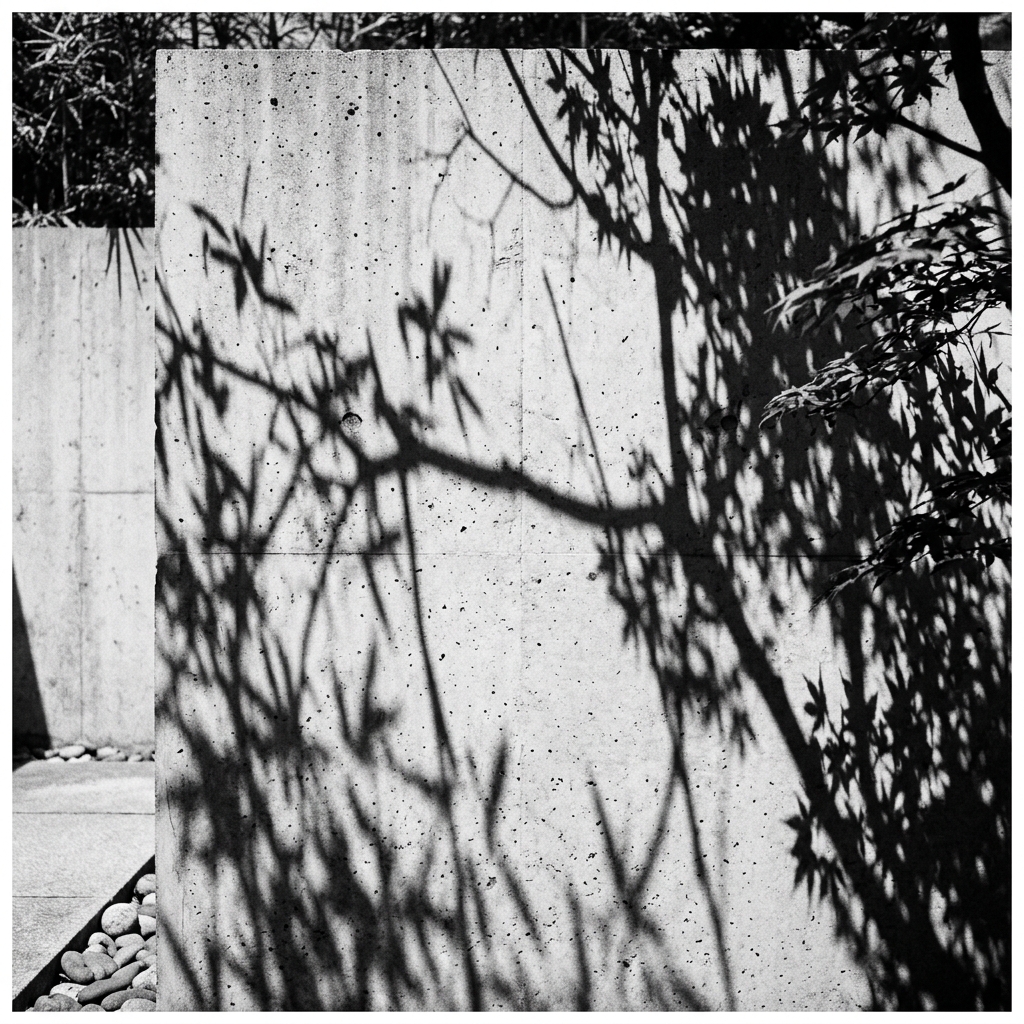
Black and White Thinking
Imagine walking through a fog-laden forest, where the world around you is muted, stripped of color, and yet, it pulses with life. The trees rise like silent sentinels, their shapes stark against the misty backdrop. This week, as you engage with the concept of black and white thinking in your photography practice, consider how this limited palette can open your eyes to a deeper awareness of form and structure.
Black and white photography is often perceived as a nostalgic nod to the past, yet it serves a profound purpose in the present. By reducing the visual complexity that colors introduce, we can focus on the essence of what we see. This exercise is not merely about the absence of color; it is an invitation to observe, to contemplate, and to connect with the world in a way that evokes mindfulness.
The Psychological Landscape
Engaging in black and white thinking can be both a psychological challenge and a source of clarity. The term itself often carries negative connotations, implying rigidity in thought processes. However, when applied to photography, it becomes a tool for liberation. As you turn your camera screen to a black-and-white filter, you are not just discarding hues; you are sharpening your perception of shapes, contrasts, and textures.
Research suggests that this focused observation can aid in reducing the mental clutter associated with our everyday lives. The Default Mode Network (DMN), responsible for mind-wandering and self-referential thoughts, often pulls us into cycles of anxiety and overthinking. By shifting our attention to the visual elements in front of us, we engage the Task-Positive Network (TPN), which is active when we are focused and goal-oriented. This transition allows us to ground ourselves in the present moment and enhances our capacity for mindfulness.
In their work, Glad (1983) discusses the implications of black-and-white thinking in political contexts, describing it as a simplification that can either clarify or distort reality. Similarly, in photography, eliminating color can simplify our observations, allowing our minds to engage more fully with the shapes and forms that emerge.
Neurobiological Insights
The interplay between our visual perception and mental processes is intricate. When we focus on shapes devoid of color, we activate specific neural pathways that enhance our awareness and appreciation of our surroundings. This practice can lead to a form of visual mindfulness that not only calms the mind but also enriches our creative expression.
As you look through your camera lens, consider the high-contrast (Mono) filter as an ally in this exploration. It encourages you to notice which form or shape becomes prominent—perhaps it’s the curve of a leaf, the angularity of a building, or the fluid lines of a riverbank. This heightened awareness fosters a deeper connection to your environment and can serve as a meditative act in itself.
Karelse (2023) highlights the importance of mindfulness in social contexts, particularly emphasizing how our perceptions shape our realities. This resonates with your photographic journey, where each click of the shutter becomes a moment of reflection, an opportunity to engage with the world beyond mere aesthetics.
Transformative Reflections
As you conclude your photographic session this week, allow yourself to reflect on the shapes that emerged through your lens. The prompt, “Which shape suddenly stands out now?”, is not just a question but an invitation to explore your inner landscape. What emotions does this form evoke? How does it alter your perception of your surroundings?
This week’s practice aligns beautifully with the philosophy of contemplative photography, as outlined in Andy Karr’s book, The Practice of Contemplative Photography. This essential guide teaches you how to see the world directly, without mental filters. It complements your journey in black and white thinking, offering insights that can deepen your photographic practice and enhance your mindfulness. You can explore it here.
Conclusion
As you embark on this week’s practice, remember that black and white thinking is not a limitation; it is an expansive framework through which you can explore your creative potential. By focusing on forms and embracing the simplicity of shapes, you cultivate a mindful awareness that can transform your perception of the world.
Download the ‘The Slow Frame’ app to practice these principles daily and embark on a heartfelt journey of visual mindfulness.
References
- Glad, B. (1983). Black-and-White Thinking: Ronald Reagan’s Approach to Foreign Policy. Political Psychology. https://doi.org/10.2307/3791173
- Karelse, C.-M. (2023). White Mindfulness, Black Lives Matter, and social transformation. Disrupting White Mindfulness. https://doi.org/10.7765/9781526162076.00018
- Urbina, S. (1999). The Past Revisited: Black and White Thinking About Race and Tests. Contemporary Psychology. https://doi.org/10.1037/001934