 The Slow Frame
Why Instant Gratification Kills Creativity (and How the Darkroom Helps)
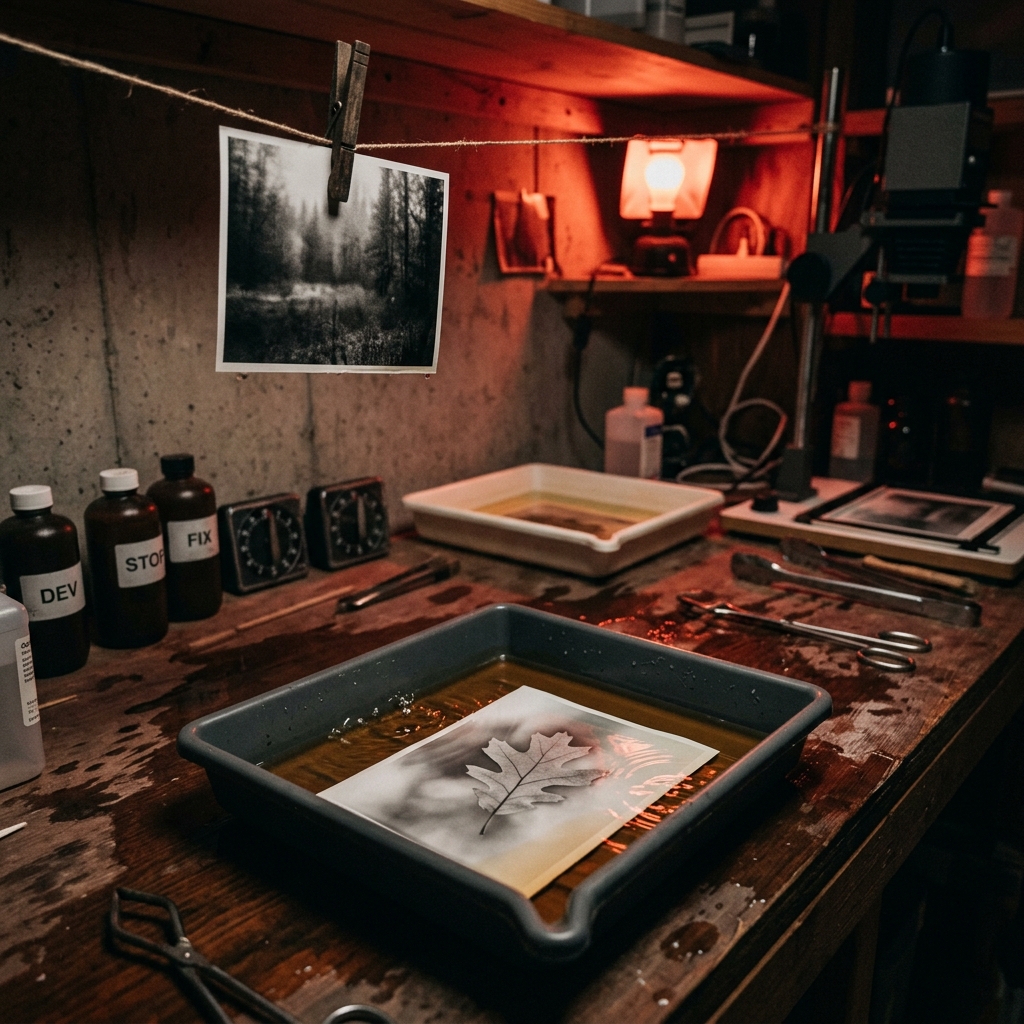
Why Instant Gratification Kills Creativity (and How the Darkroom Helps)
The Allure of Instant Gratification
In our fast-paced digital world, the constant barrage of notifications and the addictive nature of smartphone scrolling have led to a culture of instant gratification. Every scroll promises immediate satisfaction, every click delivers a quick response. While this may feel rewarding in the moment, it often stifles our creativity, leading us to rush through processes that require patience and attention.
In this environment, where instant photo sharing has become commonplace, we find ourselves trapped in a dopamine loop. Each like, comment, or share activates our brain’s reward system, reinforcing a cycle of seeking immediate approval. However, this quick-fix approach often diminishes our capacity for deep engagement and thoughtful creation.
The Darkroom Principle: Embracing Delay
Enter the concept of ‘The Darkroom Principle’ (Doka). This principle draws from traditional photography, where images develop over time, allowing for contemplation and anticipation. Unlike the instant results offered by today’s smartphone cameras, darkroom photography encourages patience.
When we step away from the immediate gratification of digital photography, we learn to appreciate the process. Each exposure requires us to wait, to engage with the art of creation beyond the mere outcome. This delay fosters a deeper connection to our work and cultivates mindfulness, allowing us to focus on the sensory experience of capturing moments rather than rushing to share the results.
Digital Wellbeing and Mindfulness
The journey towards reclaiming our creativity involves understanding the principles of digital wellbeing. As busy professionals or hobbyists, we often find ourselves overwhelmed, seeking solace in quick distractions. However, embracing practices that emphasize external mindfulness—like photography—can serve as a remedy for burnout.
Photography, especially in the context of slow living, acts as a grounding exercise. It invites us to observe our surroundings with intention, capturing the essence of the present moment without the anxiety of immediate feedback. This shift in focus from results to process can be transformative, enabling us to find calm amid chaos.
Sensory Grounding Through Photography
As we learn to navigate our creative processes with patience, we also engage our senses more fully. Photography encourages us to look closely, to listen to the world around us, and to feel our connection to it. This sensory grounding not only enhances our artistic expression but also supports our mental health.
When we allow ourselves the time to develop our photographs—both literally and metaphorically—we open the door to a richer, more meaningful creative experience. This practice can become a form of therapy, a way to slow down and reconnect with our inner selves.
Conclusion: Cultivating Patience in a Fast-Paced World
In a culture that often prioritizes speed and efficiency, it is essential to remember the value of patience. By embracing ‘The Darkroom Principle,’ we can shift our perspective from seeking instant results to cherishing the process of creation. This approach not only enhances our creativity but also contributes to our overall mental wellbeing.
We invite you to explore these principles further. Download the ‘The Slow Frame’ app today to practice mindfulness and develop your photography skills at your own pace, nurturing both your creativity and your mental calm.